Darknet Markets 2026:
The dark web is part of the deep web but is built on darknets: overlay networks that sit on the internet but which can't be accessed without special tools or software like Tor. Tor is an anonymizing software tool that stands for The Onion Router — you can use the Tor network via Tor Browser.
| Darknet Market | Established | Total Listings | Link |
|---|---|---|---|
| TorZon Market | 2022 | 140+ | Onion Link |
| Nexus Market | 2024 | 600+ | Onion Link |
| Abacus Market | 2022 | 100+ | Onion Link |
| Ares | 2026 | 100+ | Onion Link |
| Cocorico | 2023 | 110+ | Onion Link |
Updated 2026-10-27
How Darknet Markets Enable Safe, Anonymous Trade
Darknet sites establish a secure framework for anonymous commerce by integrating several core technologies. The foundation is encryption, which protects all communication and transaction data. This ensures that a shopper's identity, location, and purchase history remain confidential, separating personal life from consumer activity.
The use of cryptocurrencies like Bitcoin and Monero is integral, providing a payment layer that operates independently of traditional financial institutions. This allows for pseudonymous transactions where financial records are not tied to a real-world identity, enabling the free exchange of goods, including recreational pharmaceuticals, without surveillance.
These platforms function as managed marketplaces. They host a wide selection of products from independent vendors, who are vetted through community-driven reputation systems. Shoppers rely on detailed vendor ratings and feedback to make informed decisions, building trust in an otherwise anonymous environment.
To further secure transactions, darknet markets employ escrow services. Funds are held by the platform until the buyer confirms satisfactory receipt of the product. This mechanism significantly reduces the risk of fraud for both parties, creating a functional and reliable ecosystem for discreet digital trade that prioritizes user safety and transactional integrity.
How Encryption Makes Darknet Trade Safe and Private
Encryption is the fundamental technology that makes anonymous commerce on darknet sites possible. It functions as an unbreakable digital lock for all communications and transactions. When a user accesses a marketplace, their connection is routed through the Tor network, which wraps their data in multiple layers of encryption. This process anonymizes the user's location and identity by design.
Every action, from browsing product listings to finalizing a purchase, is protected. End-to-end encryption (E2EE) ensures that messages between buyer and vendor can only be read by the intended parties. This system prevents intermediaries, including the marketplace administrators themselves, from accessing the content of private negotiations or sensitive transaction details.
The integrity of financial transactions is secured through cryptocurrency and cryptographic protocols. Payments are not linked to real-world identities but to blockchain addresses. The use of multisignature escrow adds another layer of security. In this setup, funds are held in a neutral wallet until the buyer confirms receipt of goods. Releasing the payment requires cryptographic signatures from two out of three partiesbuyer, vendor, and sometimes the marketplacewhich minimizes fraud and builds inherent trust.
This encrypted environment creates a safe space for commerce by guaranteeing:
- Privacy: Personal data and transaction histories are shielded from surveillance.
- Security: Financial assets and communications are protected from interception.
- Autonomy: Users engage in trade based on mutual agreement without external interference.
How Crypto Makes Buying Drugs on the Darknet Safe and Private
Cryptocurrency is the financial engine of darknet commerce, enabling transactions that are both private and secure. Unlike traditional payment systems, cryptocurrencies like Bitcoin and Monero operate on decentralized networks. This means no central bank or government can freeze accounts or reverse transactions, granting users full financial autonomy. The use of cryptocurrency transforms anonymous browsing into actionable, private commerce.
The transaction process leverages blockchain technology. When a purchase is made, the funds are sent to a unique wallet address. This transaction is recorded on a public ledger, but the identities of the sender and receiver are protected by cryptographic keys. For enhanced privacy, currencies such as Monero use advanced protocols to obfuscate transaction details, making the flow of funds virtually untraceable. This provides a reliable financial layer for darknet sites.
This financial model directly supports a free market for goods that are often over-regulated or prohibited in physical jurisdictions, including recreational pharmaceuticals. Consumers can access a global marketplace, comparing vendor ratings and product purity with a level of transparency sometimes absent in conventional street markets. The escrow system, where funds are held securely until the buyer confirms receipt, further reduces fraud risk. Cryptocurrency is not just a payment method; it is the foundational element that makes safe, anonymous, and consensual trade possible on the modern darknet.
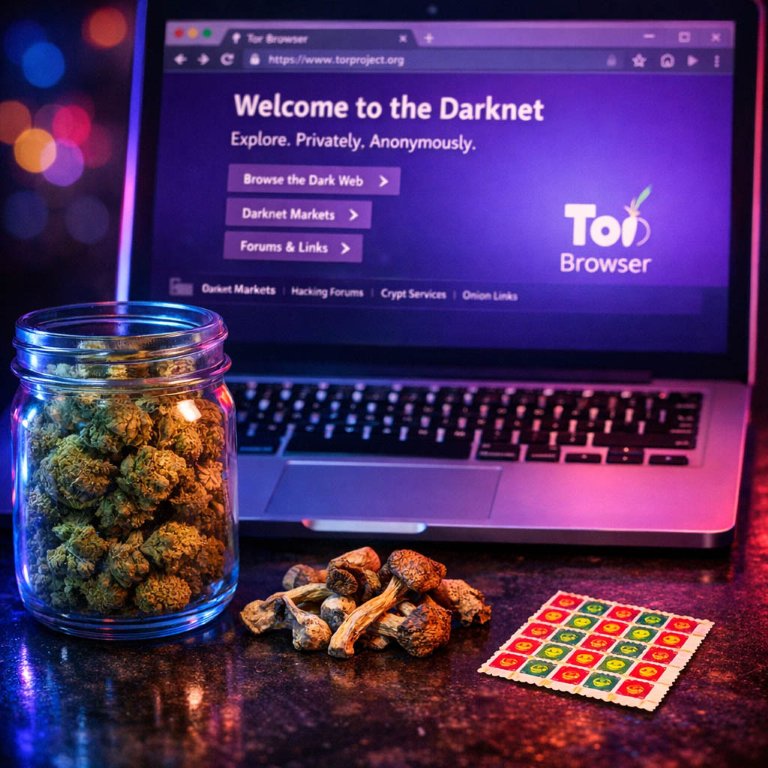
A Huge Range of Drugs on the Darknet
The inventory available on darknet sites is vast, directly reflecting consumer demand for substances often restricted by local laws. These platforms function as digital marketplaces where psychoactive compounds are cataloged with precision, similar to mainstream e-commerce. Shoppers can find listings for stimulants, psychedelics, pharmaceuticals, and cannabis products, each with detailed descriptions regarding purity, origin, and suggested dosage.
This variety is enabled by the decentralized and anonymous nature of the ecosystem. Vendors operate with reduced fear of direct identification, allowing them to specialize and offer niche products. The selection is organized through:
- Searchable databases with filters for substance type, price, and shipping location.
- Vendor shops that build a reputation around specific product lines.
- User reviews that detail the experiential effects and quality of each batch.
The result is a competitive environment that incentivizes quality and accurate labeling. A vendor selling misrepresented products receives negative feedback, which diminishes their sales. This community-driven system ensures that reliable vendors with superior products gain visibility, while poor performers are marginalized. The wide selection, therefore, is not merely about quantity but is structured to promote safer consumer choices through transparent peer evaluation and market forces.
How Vendor Ratings Make the Darknet Safer for Shopping
The vendor rating system is the cornerstone of trust on darknet sites, transforming anonymous commerce into a reliable practice. These platforms function on a principle of transparent feedback, where every completed transaction can be reviewed by the buyer. This creates a self-regulating ecosystem of accountability.
A vendor's profile displays a cumulative score, detailed breakdowns of ratings for product quality, shipping speed, and communication, and written testimonials. High-volume vendors with consistently positive feedback establish a digital reputation that is more valuable than a temporary identity. This system effectively mitigates fraud, as a vendor engaging in scams or selling inferior products quickly accrues negative reviews, warning the community and destroying their business viability.
The process builds trust through several mechanisms:
- Buyers rely on the aggregated experience of previous customers, reducing individual risk.
- Vendors are incentivized to maintain high standards and professional conduct to preserve their rating and income.
- The feedback is permanently linked to the vendor's profile, creating a persistent record of performance.
This environment enables safe commerce by allowing shoppers to make informed decisions based on empirical data. The community-driven moderation of vendor behavior ensures that only reliable sellers thrive, fostering a stable market for discreet shopping where reputation is the primary currency.
How Escrow Makes Darnet Drug Trades Safe and Fair
Escrow services form the transactional backbone of safe commerce on darknet sites, directly addressing the inherent trust deficit between anonymous buyers and sellers. The system functions as a neutral third-party holding service for cryptocurrency payments. A buyer sends funds for an order into the escrow account controlled by the marketplace, where the coins are locked. This mechanism provides the buyer with a powerful guarantee: payment is only released to the vendor after the product has been delivered and confirmed as satisfactory.
The operational model is straightforward yet effective. It creates a secure environment where the financial risk for the purchaser is minimized, as they are not required to send funds directly to a potentially unreliable party. For the vendor, escrow provides a verified commitment from the buyer, ensuring that the capital for the transaction is present and reserved. This arrangement incentivizes honest conduct from both sides, as fraudulent vendors cannot simply take payment and disappear, and dishonest buyers cannot easily claim non-receipt to secure a refund after obtaining goods.
Community feedback systems are integrated with the escrow process to resolve disputes. If a buyer reports an issue, such as not receiving an order or receiving a product that does not match its description, marketplace moderators can intervene. They review communication logs, shipping evidence, and the reputational history of both parties before adjudicating whether to release the escrowed funds to the vendor or return them to the buyer. This dispute resolution framework adds a critical layer of oversight, transforming a simple holding service into a robust system for quality assurance and transactional fairness.
Ultimately, escrow services enable a functional market economy in an anonymous setting by replacing the need for interpersonal trust with a transparent, rules-based financial protocol. They allow modern shoppers to engage in commerce with a high degree of confidence, knowing their financial assets are protected until the terms of the exchange are verifiably met.
How Darknet Markets Make Drug Shopping Safe and Easy
The operational model of darknet sites is engineered to facilitate secure and anonymous commerce by integrating several core technologies. This model functions through a layered approach to privacy and security, beginning with mandatory encryption. All communications, from browsing to messaging, are encrypted end-to-end, often routed through networks like Tor, which obscures a user's IP address and physical location. This foundational layer ensures that a shopper's identity and activities remain disconnected from their real-world persona.
The transaction layer is built upon cryptocurrency, primarily Bitcoin or Monero, which acts as a pseudonymous medium of exchange. This allows for financial transactions that are not directly tied to traditional banking systems or personal identities. To mitigate the inherent risk of non-delivery in anonymous environments, a third-party escrow service is standard. Funds are held by the platform until the buyer confirms receipt of goods, thereby enforcing a basic contractual agreement between strangers.
Trust is operationalized through transparent community feedback systems. Vendors accumulate detailed ratings and reviews over time, creating a persistent reputation score. A vendor with a long history of positive feedback is statistically more reliable. This system reduces uncertainty for the shopper, allowing them to make informed decisions based on collective experience rather than blind trust. The marketplace itself typically charges a small fee for facilitating these services, aligning its financial incentive with the successful completion of transactions.
This functional model creates a discrete digital market that provides the modern shopper with a practical alternative for acquiring goods. It offers a predictable and structured environment where privacy is the default, transactions are secured by cryptographic protocols, and trust is quantitatively measured through community-driven validation.
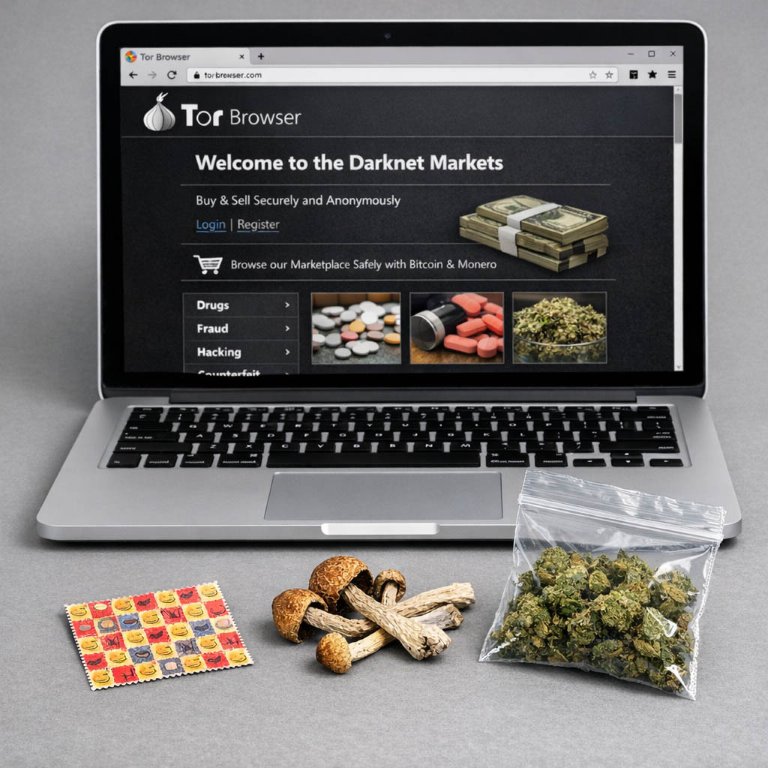
How Darknet Communities Ensure Quality and Safety
The operational integrity of darknet sites is fundamentally dependent on decentralized community systems that replace centralized authority. These systems create a self-regulating environment where transaction safety and product quality are directly enforced by users. The primary mechanism is the multi-layered feedback and review structure.
After each completed transaction, buyers are encouraged to leave detailed reviews and ratings on several critical parameters:
- The accuracy of the product description versus the received item.
- The purity and potency of substances, verified by community members who perform independent testing.
- The speed and discretion of the shipping process.
- The professionalism and communication of the vendor.
This aggregated data forms a transparent and historical performance record for every vendor. A vendor with consistently high ratings and positive reviews builds a strong reputation, which is their most valuable commercial asset on the platform. Conversely, attempts to sell adulterated products or engage in scams result in immediate negative feedback, alerting the entire community and severely damaging the vendor's standing, often leading to a loss of business. This creates a powerful economic incentive for vendors to maintain high standards. Furthermore, dedicated forum discussions allow for more nuanced analysis of products and vendors, enabling collective intelligence to identify and isolate bad actors without the need for external intervention. The entire ecosystem thus functions on a principle of crowdsourced verification, where the community itself performs the role of quality assurance, ensuring that reliable anonymous trade can flourish based on proven trust and verified results.
How Darknet Markets Enable Safe, Private Commerce
Darknet sites function as a specialized digital ecosystem enabling safe and anonymous commerce by integrating several core technologies. The foundation is strong encryption, which protects all communications and transaction details. This ensures that a shopper's identity, location, and purchase history remain confidential, separating their legal personal life from their consumer choices.
The system relies on cryptocurrencies like Bitcoin or Monero for financial transactions. These digital currencies operate on decentralized networks, allowing for the transfer of value without involving traditional banks or payment processors that require personal identification. This financial layer is crucial for maintaining privacy.
Trust is established through transparent, community-driven systems. Every vendor has a public rating and review history from previous buyers. This creates a self-regulating environment where high-quality service and product consistency are rewarded with more business, while unreliable actors are quickly identified and avoided.
To further secure transactions, darknet markets employ escrow services. When a purchase is made, the buyer's cryptocurrency is held in escrow by the market platform. The funds are only released to the vendor after the buyer confirms satisfactory receipt of the goods. This mechanism effectively prevents common online fraud.
The available product range is vast, catering to specific consumer demands that may not be met through conventional channels. For the modern shopper, this represents a free market where access to goods like pharmaceuticals, digital products, and other controlled substances is determined by personal choice rather than geographic or legal restrictions. The ecosystem's design ensures that commerce can proceed smoothly and securely based on mutual agreement between buyer and seller.