Darknet Markets 2026:
The dark web is part of the deep web but is built on darknets: overlay networks that sit on the internet but which can't be accessed without special tools or software like Tor. Tor is an anonymizing software tool that stands for The Onion Router — you can use the Tor network via Tor Browser.
| Darknet Market | Established | Total Listings | Link |
|---|---|---|---|
| TorZon Market | 2022 | 140+ | Onion Link |
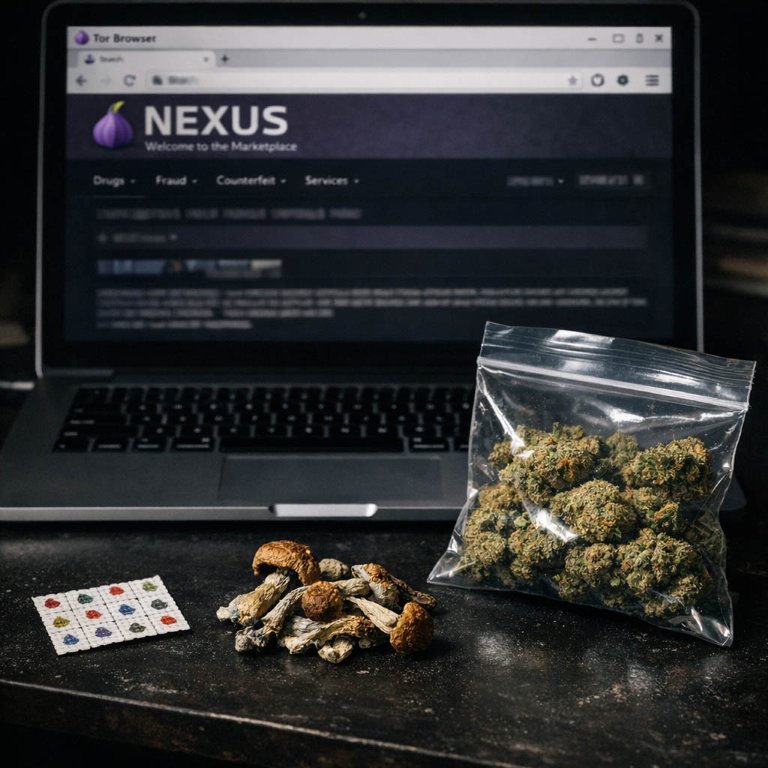
| Nexus Market | 2024 | 600+ | Onion Link |
| Abacus Market | 2022 | 100+ | Onion Link |
| Ares | 2026 | 100+ | Onion Link |
| Cocorico | 2023 | 110+ | Onion Link |
Updated 2026-10-27
Reliable Darknet Markets for Quality Shopping
Finding the best darknet markets requires a methodical approach focused on operational stability and vendor quality. The primary criterion is a market's proven uptime and resistance to disruption, which directly correlates with a safer shopping environment. A platform that remains consistently online demonstrates robust infrastructure and administrative competence, reducing the risk of exit scams or sudden takedowns during a transaction.
Beyond mere availability, the quality of products is intrinsically linked to the market's ability to attract and retain reputable vendors. Markets with stringent vendor onboarding processes and clear quality control metrics tend to host sellers with higher standards. Buyers should prioritize platforms that facilitate detailed product listings, including origin information, purity percentages, and batch consistency reports. These details are more common on established markets where vendor competition drives transparency.
The architecture of the feedback system is a critical differentiator. The best markets employ immutable review systems where transactions cannot be falsified, ensuring that user reviews and ratings accurately reflect a vendor's reliability and product quality. A high vendor trust score on such a platform is a strong indicator of consistent performance. Furthermore, integrated escrow services that are automatically released upon confirmed delivery protect both parties and are a non-negotiable feature of a top-tier market.
Consumer choice is another key factor. A leading market will offer a wide variety of substances, which indicates a large and active user base. This variety, governed by market forces, creates a natural quality control mechanism: vendors with inferior products or poor service receive negative feedback and are economically marginalized. The overall user experience, including forum support, clear dispute resolution protocols, and a functional interface, completes the picture of a market designed for secure shopping and quality products.
What You Can Find on the Darknet
The selection of a darknet market is a primary determinant of transaction security and product quality. A superior platform functions as a curated ecosystem where robust encryption and operational security are foundational. These technical measures protect user anonymity and financial data, creating a necessary precondition for secure commerce.
Quality is directly influenced by market governance. Leading markets implement structured feedback systems and vendor reputation scores, which aggregate community experience into a reliable metric. This transparent feedback loop allows buyers to make informed decisions, effectively crowd-sourcing quality control. Markets that consistently host vendors with high trust scores and detailed positive reviews naturally attract a discerning clientele, which in turn incentivizes vendors to maintain high standards for product purity and accurate weight.
The presence of a mandatory escrow service is non-negotiable for secure shopping. This system holds payment in trust until the buyer confirms satisfactory receipt of the goods, resolving the inherent trust dilemma of anonymous trade. Markets that enforce escrow and offer clear dispute resolution protocols demonstrate a commitment to transactional fairness, significantly reducing the risk of financial loss.
Consumer choice is another critical indicator. A premier market offers a wide variety of products across multiple categories, but does so with a clear and searchable interface. This variety, when combined with detailed product listings and laboratory analysis results where available, empowers the buyer. The competitive environment of a well-populated market applies natural pressure on vendors to offer competitive pricing and consistent quality, as alternatives are readily available to consumers.
The overall user experience, including forum activity and community support, completes the assessment. A stable, intuitively designed market that has maintained consistent uptime and service over an extended period presents a lower operational risk. The collective intelligence found in community discussions often provides real-time insights into market reliability and vendor performance, making active participation a valuable component of secure and satisfactory darknet shopping.
How Clear Listings Make Buying Safer and Easier
Product listings on darknet markets function as the primary interface for informed consumer decision-making. A well-structured listing provides a comprehensive data set that buyers analyze to assess value and risk. The product title and category offer immediate classification, while the detailed description specifies the chemical composition, origin, intended effects, and precise dosage guidelines. This technical clarity reduces the uncertainty inherent in unregulated commerce.
Vendors supplement descriptions with photographic evidence and, in some cases, lab analysis results to verify purity and composition. These elements act as tangible proof of quality, allowing buyers to compare products against advertised claims. Listings also standardize transactional data through clear pricing, available quantity increments, and shipping options. This creates a consistent framework for evaluation across different vendors.
The utility of a listing is enhanced by its integration with other market systems. Each product page directly links to the vendor's storefront and historical customer feedback. This connectivity allows a buyer to efficiently cross-reference the claims in a description with the empirical reports of previous purchasers. A listing is therefore not a static advertisement but a dynamic node in a larger network of trust and verification, enabling a more calculated and secure procurement process.

How Reviews Build Trust on the Darknet
User reviews and feedback form the primary mechanism for establishing trust and ensuring quality on a darknet market. Unlike traditional retail, these platforms lack formal branding or consumer protection laws, making peer-generated information the most reliable metric for a buyer's decision. A product listing with a high volume of positive reviews directly indicates a vendor's consistency and the product's authenticity. Reviews typically detail the shipping speed, stealth of packaging, communication quality, and, most critically, the accurate potency and purity of the substance received.
This system creates a transparent environment where vendors are held accountable by their customers. Negative feedback or a low rating serves as an immediate red flag, warning potential buyers of scams, underweight products, or poor quality. Markets often structure their search algorithms to promote highly-rated vendors, effectively using community feedback for quality control. For the buyer, scrutinizing feedback involves looking beyond the simple score.
- Reading specific review comments reveals details about a transaction's nuances.
- Checking if the reviewer is a verified purchaser adds credibility to their report.
- Observing a vendor's response to negative feedback demonstrates their professionalism and commitment to service.
The collective intelligence gathered from hundreds of transactions guides new users toward reliable sellers and high-quality products, making the review system the cornerstone of a secure and satisfactory darknet shopping experience.
How to Find a Good Vendor on the Darknet
A vendor's reputation is the most critical metric for a buyer on a darknet market. This system functions as a decentralized form of quality assurance, where the community collectively vets sellers. The trust score is a numerical summary of this reputation, typically calculated from transaction history, feedback ratings, and dispute resolution outcomes.
When evaluating a vendor, buyers should first examine their vendor profile over time. A long-standing account with thousands of completed orders indicates stability. The detailed feedback section is more informative than the overall score alone. Here, buyers can read specific comments about product quality, shipping speed, and stealth packaging. Consistent positive remarks on these factors signal a reliable source.
Key elements to analyze in a vendor's profile include:
- The total number of transactions and the percentage of positive feedback.
- Recent negative reviews and how the vendor responded to them professionally.
- Their on-time shipping stat and whether they honor their stated shipping policies.
- Their history with the market's escrow system and if they have a low dispute rate.
Markets often display badges or levels next to vendor names, earned by maintaining high standards over many sales. A "Trusted Vendor" or "Level 7" designation means the platform itself has verified their consistent performance. This layered system of user reviews, detailed metrics, and market verification creates a transparent environment where high-quality vendors naturally rise to prominence, ensuring buyers can shop with greater confidence for superior products.
How Escrow Keeps Darknet Trades Safe and Fair
Escrow services function as the fundamental trust mechanism on modern darknet markets, directly addressing the inherent risk of anonymous commerce. The system operates by holding a buyer's cryptocurrency in a secure, third-party account controlled by the market itself after an order is placed. The funds are only released to the vendor after the buyer confirms satisfactory receipt of the product. This process creates a balanced and secure environment for both parties.
For the buyer, escrow eliminates the risk of sending payment for an item that may never arrive. It allows for a period to verify the quality and quantity of the received goods before the vendor is paid. For reputable vendors, escrow provides a guarantee that payment is secured and waiting, incentivizing them to ship orders promptly and maintain high standards. Disputes are handled by market moderators who review communication and evidence before deciding to release funds to the vendor or return them to the buyer. This model effectively reduces fraudulent listings and selectively pressures vendors to maintain consistent reliability and product quality, as their income is contingent upon successful, dispute-free transactions. The widespread adoption of escrow has standardized secure transactions, making darknet markets more predictable and user-friendly for sourcing quality products.
How Darknet Markets Offer More Choice and Better Quality
The competitive structure of darknet markets directly benefits the consumer by creating an environment where choice and variety are primary drivers. A user seeking a specific substance can compare dozens of listings from different vendors across multiple platforms. This selection is not limited to product type alone but extends to origin, purity, price point, and shipping method. For instance, a buyer can choose between domestic and international vendors, opt for a standard or stealth shipping option, and select a quantity that precisely matches their needs.
This abundance forces markets and vendors to compete on quality and service. A vendor with inconsistent product or slow shipping will see their reputation suffer as buyers migrate to more reliable alternatives. The mechanism of user reviews and detailed feedback is central to this process, providing a transparent, crowd-sourced quality control system. Markets that host a wider array of reputable vendors naturally attract more traffic, creating a cycle where successful platforms are those that best facilitate secure and satisfactory transactions.
The result is a consumer-centric ecosystem where access is broad and quality is maintained through market forces. Users are empowered to make informed decisions based on a comprehensive set of data points:
- vendor trust score and historical sales data
- detailed product descriptions and lab test results when available
- authentic user reviews describing potency and shipping times
- the security of escrow services until delivery is confirmed

How the Darknet Uses Reviews to Ensure Quality
The dynamics of a darknet market function similarly to any open commercial platform, where competition and reputation are primary drivers of quality. Vendors are not anonymous in a transactional sense; they build identifiable storefronts with histories. A market's internal economy naturally elevates sellers who consistently deliver as advertised. Those with inferior products, slow shipping, or poor communication receive negative feedback, which directly impacts future sales. This creates a self-regulating environment where high standards are incentivized.
The mechanism for this is transparent. Every transaction can culminate in a detailed review and a numeric rating. Potential buyers scrutinize these before purchasing. They examine:
- Photographic evidence of product quality
- Notes on shipping speed and stealth
- Comments on the accuracy of weight and purity
- The vendor's communication responsiveness
This collective intelligence, aggregated into a vendor's trust score, becomes the most critical metric. A high score signals reliability, encouraging more business. Conversely, a falling score serves as a community-wide alert. Furthermore, the use of escrow services mandated by the market holds funds until the buyer confirms satisfactory receipt. This prevents scams and aligns the vendor's incentive with successful delivery. The result is a practical quality control system: vendors must maintain excellence to thrive, and markets that enforce these mechanisms reliably attract the most discerning users seeking secure shopping for quality products.
How Community Makes Darknet Shopping Better
The overall user experience on a darknet market is the final determinant of its success and longevity. A platform that fosters a positive community and streamlined interaction directly supports secure shopping and access to quality products. This experience is built on more than just a functional website; it relies on integrated systems of communication, shared knowledge, and collective standards.
Community forums and discussion boards are central to this ecosystem. Here, buyers exchange detailed information beyond simple product reviews. They discuss shipping times for specific regions, a vendor's packaging methods, and the subtle effects of different product batches. This peer-to-peer verification acts as a real-time quality control network, supplementing the formal feedback system. New users learn the established norms and security practices by observing these discussions, which reduces mistakes that could compromise safety for everyone.
The relationship between a vendor and their customers is also deepened through these channels. Responsive vendors who actively engage in forums, address concerns publicly, and provide transparent updates are highly valued. This creates a feedback loop where vendor reputation is built not just on transaction history, but on perceived trustworthiness and commitment to customer service. Markets that facilitate this interaction see higher user retention, as buyers feel part of a self-regulating community with shared goals of reliability and satisfaction.
Consequently, the markets that consistently rank as the best for secure shopping are those where the technical featuresescrow, encryption, feedbackare seamlessly woven into an active and self-policing social environment. The community itself becomes a powerful mechanism for enforcing market standards, rewarding high-quality vendors with sustained business and warning others about poor practices. This collective vigilance is a critical, non-technical layer of security and quality assurance for every participant.