Darknet Markets 2026:
The dark web is part of the deep web but is built on darknets: overlay networks that sit on the internet but which can't be accessed without special tools or software like Tor. Tor is an anonymizing software tool that stands for The Onion Router — you can use the Tor network via Tor Browser.
| Darknet Market | Established | Total Listings | Link |
|---|---|---|---|
| TorZon Market | 2022 | 140+ | Onion Link |
| Nexus Market | 2024 | 600+ | Onion Link |
| Abacus Market | 2022 | 100+ | Onion Link |
| Ares | 2026 | 100+ | Onion Link |
| Cocorico | 2023 | 110+ | Onion Link |
Updated 2026-10-27
Easy Shopping for Quality Products on the Darknet
Navigating the darknet for shopping begins with identifying a reputable dark market list. These curated lists function as directories, aggregating active markets and providing essential metrics like uptime, user feedback scores, and available product categories. A reliable list is frequently updated, filtering out defunct or scam platforms to direct users toward established ecosystems. The primary advantage of this aggregation is the immediate visibility it provides into the sheer variety of available products, from pharmaceuticals to botanicals, all accessible from a single point of reference.
Within a selected market, finding verified drug vendors is the next critical step for secure shopping. Vendor verification systems are central to this process. Markets implement tiered verification badges, often based on a vendor's transaction history, consistent shipping performance, and volume of positive feedback. A verified vendor profile typically features:
- A detailed transaction history with a high completion rate.
- A public PGP key for encrypted communication, confirming identity continuity.
- An extensive feedback section with qualitative comments on product quality and shipping discretion.
This system creates a transparent environment where vendor reputation is directly tied to commercial success. Buyers contribute to this ecosystem by leaving detailed reviews, which collectively form a robust mechanism for ensuring trusted product quality. The feedback goes beyond simple ratings, often including specifics on purity, weight accuracy, and stealth packaging. This peer-review model allows new buyers to make informed decisions based on collective experience, significantly reducing the risk of transactional fraud and substandard products. The entire process, from list to verified vendor, is designed to create a self-regulating commercial environment where reliability and quality are the primary currencies.
How Ratings Make Buying on the Darknet Safer
Vendor rating systems are the cornerstone of trust in darknet markets, transforming anonymous transactions into reliable commerce. These systems aggregate user feedback into a quantifiable metric, typically a score out of five, which serves as a direct indicator of a vendor's historical performance. A high rating, sustained over hundreds of transactions, signals consistency and reliability. Shoppers can review detailed comments that often specify:
- the precise weight and purity of the product
- the speed and discretion of shipping
- the quality of communication with the seller
This transparent record allows buyers to make informed decisions, effectively crowdsourcing quality control. Vendors with established high ratings have a strong economic incentive to maintain their standing, as their position on the market and sales volume directly depend on it. This creates a self-regulating environment where reputation becomes a vendor's most valuable asset. The system mitigates the inherent risk of remote, illegal trade by providing a verifiable track record, encouraging professional conduct, and enabling buyers to distinguish between reputable sellers and potential scammers with ease.
How Escrow Makes Buying on the Darknet Safe and Easy
Escrow services are the fundamental mechanism enabling secure financial transactions on darknet markets. They function as a neutral third party, holding a buyer's cryptocurrency payment in reserve until the ordered goods are received and confirmed. This system directly mitigates the primary risk of direct deals: vendor fraud. A buyer can confidently place an order knowing funds are only released after confirming product delivery, while a vendor is assured of payment once they fulfill their obligation, provided the buyer does not dispute the transaction unfairly.
The operational model is straightforward yet effective. Upon order placement, coins are locked in the market's escrow. The vendor then ships the product. After delivery, the buyer has a set period to finalize the order, which releases the funds to the vendor. If an issue arises, such as non-delivery or substandard quality, the buyer can open a dispute. This triggers a review process where market moderators examine communication and evidence, such as tracking or product photos, before adjudicating the release or refund of the escrowed funds.
This creates a self-reinforcing cycle of trust and accountability. Vendors with consistent successful releases from escrow build positive reputations, which is visible in their rating score. Markets with reliable and fair dispute resolution attract more users, increasing their liquidity and stability. Therefore, escrow is not just a payment tool but a core trust infrastructure that elevates the entire ecosystem above simple peer-to-peer deals, providing a structured framework for secure commerce and verified product quality.

How Forums Help You Find Trusted Darknet Vendors
User forums represent the foundational social layer of the darknet ecosystem, operating as independent platforms where collective intelligence directly addresses the core challenge of finding reliable markets and verified vendors. These forums are not simple message boards but function as dynamic, peer-reviewed databases where transactional security and product quality are continuously assessed by the community. The process begins with a user seeking a new source for a specific substance; instead of relying on potentially manipulated ratings on a single market, they consult forum threads dedicated to vendor verification and market stability.
The analysis of a vendor's reliability is crowdsourced. Long-standing members, or senior members, provide detailed transactional feedback that goes beyond a simple star rating. This feedback includes:
- Consistency in product purity across multiple orders.
- Accuracy of the advertised weight and substance.
- The vendor's stealth and shipping methods, which are critical for operational security.
- Timeliness of delivery and professionalism in communication.
This multi-point verification creates a more resilient trust model than any automated system. A vendor with a consistent positive reputation across several independent forums for months or years becomes a verified entity, significantly de-risking the procurement process for buyers. Similarly, markets are evaluated not just on their interface, but on their administrative integrityhow they handle disputes, their fee structure, and their history of not exiting with user funds. Forum discussions provide early warning signals about market instability or a vendor's declining service quality, enabling the community to adapt swiftly. This environment transforms individual experience into shared knowledge, creating a self-regulating framework that efficiently identifies and promotes the most secure and high-quality avenues for trade.
How Darknet Markets Maintain High Product Quality
The operational continuity of a darknet market is fundamentally linked to its ability to guarantee product quality. This is not a secondary feature but a core requirement for survival in a competitive environment where buyer trust is the primary currency. Markets achieve this through integrated systems that shift quality assurance from a buyer's individual risk to a managed, community-driven process.
The cornerstone of this system is the vendor rating and review mechanism. After each transaction, buyers leave detailed feedback on the product's purity, weight, and stealth of shipping. This creates a transparent, crowd-sourced history for every vendor and product listing. A vendor with consistently high ratings over hundreds of sales establishes a reputational capital that is more valuable than any single sale, incentivizing them to maintain high standards. Conversely, a pattern of negative reviews for misrepresented or adulterated products leads to a rapid loss of business and eventual removal from the platform.
This review data is supplemented by formal market verification programs. Reputable markets often offer vendor bonds and implement a tiered verification system. Vendors who provide a substantial security deposit and undergo identity checks by market administrators receive a "verified" or "trusted" badge. This badge signals that the vendor has a proven track record and a financial stake in maintaining good standing, which directly correlates with reliable product quality.
For high-value transactions or new vendor relationships, the escrow service is a critical tool for quality assurance. Funds are held by the market until the buyer confirms receipt and satisfactory quality of the product. This protects the buyer from receiving substandard or fake items, as they can open a dispute and provide evidence (such as lab test results) to the moderators. The dispute resolution process, while imperfect, creates a formal channel to address quality failures, ensuring vendors are held accountable.
Beyond transactional tools, dedicated community forums serve as an independent quality control layer. Users share experiences, warn others about specific batches or vendors, and often post results from drug checking services. This collective intelligence allows buyers to make informed decisions beyond a single product page's reviews, identifying consistent quality trends or emerging issues with certain substances.
Ultimately, the most effective markets function as curated platforms rather than open bazaars. By rigorously enforcing vendor standards, promoting transparency through feedback, and providing secure financial mechanisms, they align the economic interests of vendors with the demand for quality from buyers. This self-regulating ecosystem ensures that vendors who consistently deliver high-purity products thrive, while those who do not are systematically filtered out.
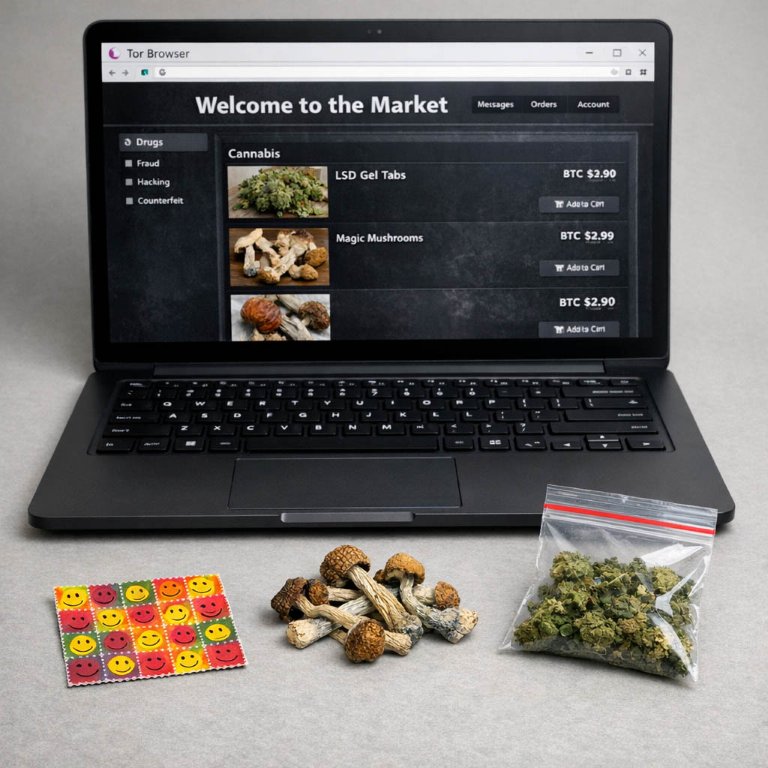
How Darknets Keep Drug Trade Running Smoothly
The operational resilience of darknet markets is a direct function of their decentralized architecture and adaptive governance models. These platforms do not rely on a single server or jurisdiction, employing instead a distributed network of nodes and frequent migration to new .onion addresses to mitigate disruption. This infrastructure is mirrored by a social layer where vendor reputation systems and community-driven verification create self-regulating ecosystems. A vendor's sustained high ratings across multiple sales cycles signal reliability, transforming feedback scores into a durable form of capital.
Markets further institutionalize trust through mandatory escrow services, which withhold payment until the buyer confirms receipt and quality of the product. This mechanism aligns vendor incentives with honest trade. The collective intelligence of user forums provides real-time analysis on market stability and vendor behavior, allowing the community to collectively stress-test the system's claims. Product quality is maintained not by external regulation, but through a transparent cycle of peer reviews and detailed listings, where inconsistent or adulterated products are rapidly identified and penalized by market forces.
This environment fosters a resilient network where reliable actors and markets are identified through:
- Persistent vendor profiles with extensive transaction histories.
- Multisignature escrow options that enhance financial security.
- Active forum discussions that validate market claims and warn of potential issues.
- Consistent product descriptions matched by feedback across numerous buyers.
How Darknet Markets Evolve for Better Shopping
The operational longevity of a darknet market is intrinsically linked to its adaptability. Successful platforms evolve their market models and refine the user experience to meet shifting demand and preempt operational challenges. This evolution is not arbitrary but a direct response to community feedback and the competitive landscape, creating environments where finding reliable vendors becomes a streamlined process.
A primary adaptation is the diversification of vendor verification tiers. Markets now implement multi-layered verification systems, moving beyond simple PGP key checks. Prospective vendors may undergo a probationary period with escrow-mandated small-scale sales, allowing the market and its users to assess product quality and shipping reliability before granting full vendor status. This model filters out opportunistic sellers and builds a curated directory of verified drug vendors.
The user experience has been systematically optimized for secure shopping. Interfaces now incorporate features once exclusive to clearnet e-commerce:
- Advanced search filters for product purity, origin, and shipping options.
- Integrated multisignature escrow wallets that release funds only upon confirmed delivery.
- Encrypted dispute resolution systems mediated by experienced community moderators.
Furthermore, market models adapt to security threats by decentralizing critical functions. Some platforms operate as peer-to-peer networks or utilize decentralized hosting, making takedowns less effective. This resilience ensures that vendor reputations and buyer histories persist, maintaining continuity for trusted product quality assessments. The most user-centric markets actively incorporate forum suggestions into their codebase, treating their platform as a community-driven project where ease of use directly correlates with transactional security and market stability.